The Art of the Bong: A Deep Dive Into Glass Pieces and Modern Smoke Culture
For real enthusiasts, a bong isn’t just a smoking tool — it’s craftsmanship, engineering, art, and ritual all in one. Glass pieces represent a fusion of design, function, and culture that has evolved far beyond basic utility. From hand-blown masterpieces to precision-engineered modern rigs, today’s glass scene is a world of artistry and performance. Understanding glass is understanding airflow, diffusion, balance, and build quality — not just aesthetics.
Jainy Patel
1/27/20262 min read
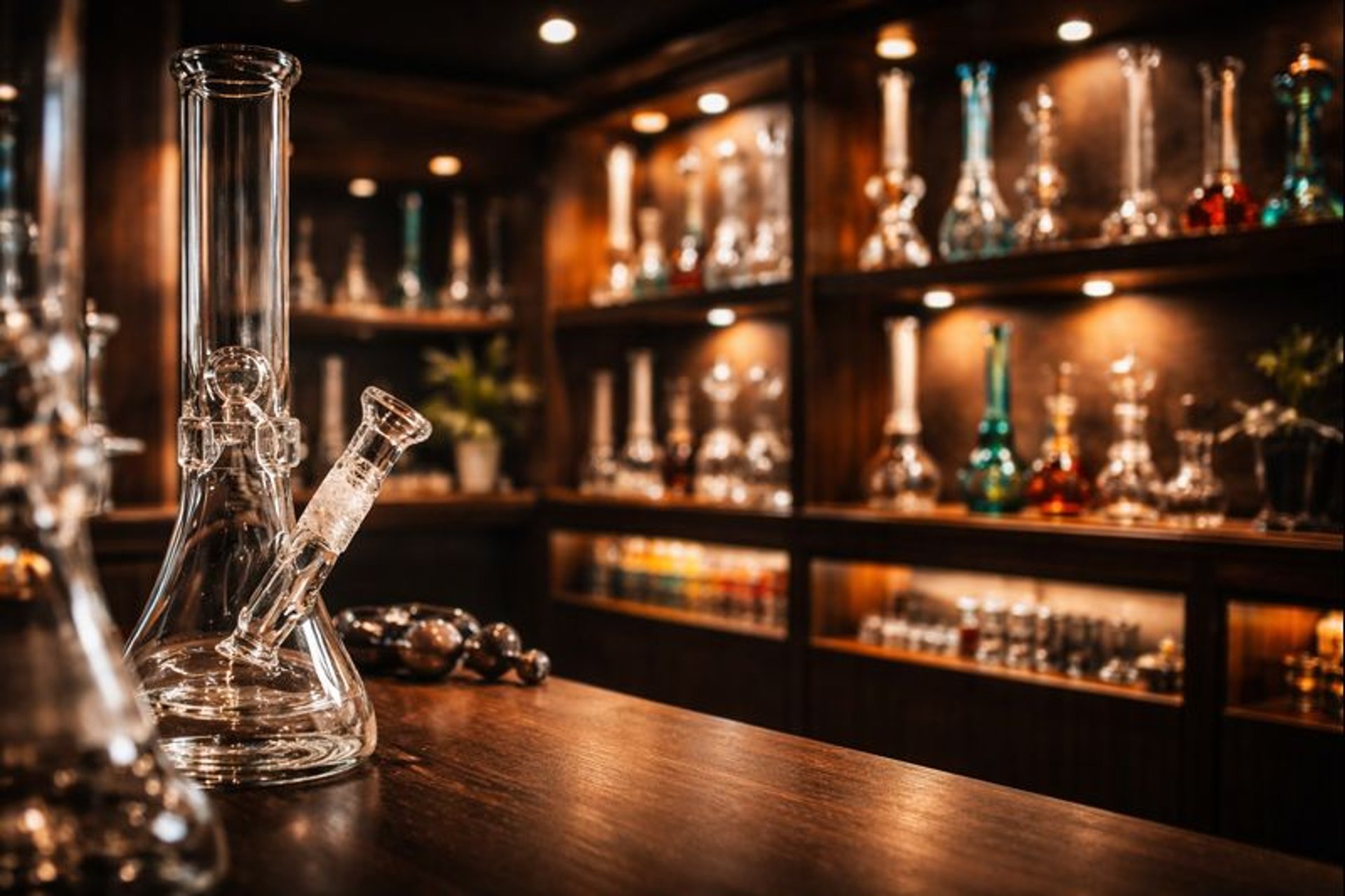
Glass as Craft, Not Commodity
True glass pieces are built, not manufactured. The difference between mass-produced glass and artisan glass is immediately noticeable in:
Weight distribution
Structural balance
Joint integrity
Thickness consistency
Percolator alignment
Airflow resistance
Durability under heat
Quality glass feels stable in the hand. It breathes properly. It draws smoothly. It stacks bubbles cleanly. There’s a reason experienced users can tell the difference instantly — performance is physical, not theoretical.
Understanding Bong Design
Every element of a bong affects the experience:
Base & Stability
A wide, balanced base isn’t just aesthetic — it prevents tipping and improves structural integrity. A well-designed base anchors the entire piece.
Tube Geometry
Straight tubes deliver direct airflow and clean pulls. Beakers offer smoother diffusion and greater water volume. Bent necks improve ergonomics and splash control.
Percolation Systems
Percolators aren’t decoration — they’re engineering.
Tree percs, honeycombs, showerheads, turbines, and inline diffusers each affect bubble size, drag, and filtration efficiency. The goal isn’t more percs — it’s better diffusion with minimal airflow restriction.
Joint Quality
Poor joints crack. Good joints fuse. Precision-cut joints create clean seals, smooth connections, and long-term durability.
Hand-Blown vs Production Glass
Hand-blown glass is about individuality, craftsmanship, and artistry. No two pieces are identical. It carries character, personality, and uniqueness.
Production glass focuses on consistency, accessibility, and affordability. When well-made, it delivers reliable performance without the premium price tag.
Both have a place — the key is build quality, not branding.
Functional Beauty
The best glass doesn’t choose between form and function — it combines them.
A great piece:
Looks beautiful
Feels balanced
Draws smoothly
Cleans easily
Stacks bubbles clean
Holds temperature stability
Feels intentional in design
When function and beauty meet, you’re not just using glass — you’re experiencing it.
Maintenance Is Respect
Real enthusiasts respect their glass.
Cleaning isn’t a chore — it’s preservation.
Clean glass:
Hits better
Smells better
Tastes cleaner
Performs properly
Lasts longer
Maintains airflow integrity
A dirty piece hides its true function. Clean glass reveals the engineering.
The Culture of Glass
Glass culture is about more than products. It’s about:
Craft
Community
Knowledge
Respect
Ritual
Appreciation
Expression
It’s collectors, artists, engineers, and enthusiasts all speaking the same language — through form, function, and fire.
Choosing the Right Piece
A great bong isn’t about price — it’s about compatibility.
The right piece fits:
Your usage style
Your environment
Your cleaning habits
Your aesthetic
Your experience level
Your storage space
The best piece is the one that feels natural to use, not impressive to show.
Final Thoughts
Glass isn’t just equipment — it’s culture.
A bong isn’t just a tool — it’s design, airflow, physics, and art in motion.
When you understand glass, you stop chasing trends and start appreciating quality.
You stop buying pieces — and start collecting experiences.
Because real glass culture isn’t about how it looks on a shelf.
It’s about how it performs in your hands.